So, Where Do We Go From Here?
For my first blog, I reflected on something I’ve learned after organizing two No Kings rallies, an ICE Out for Good rally, and a weekly rally against postal privatization at the entrance of the Chicago RPDC.
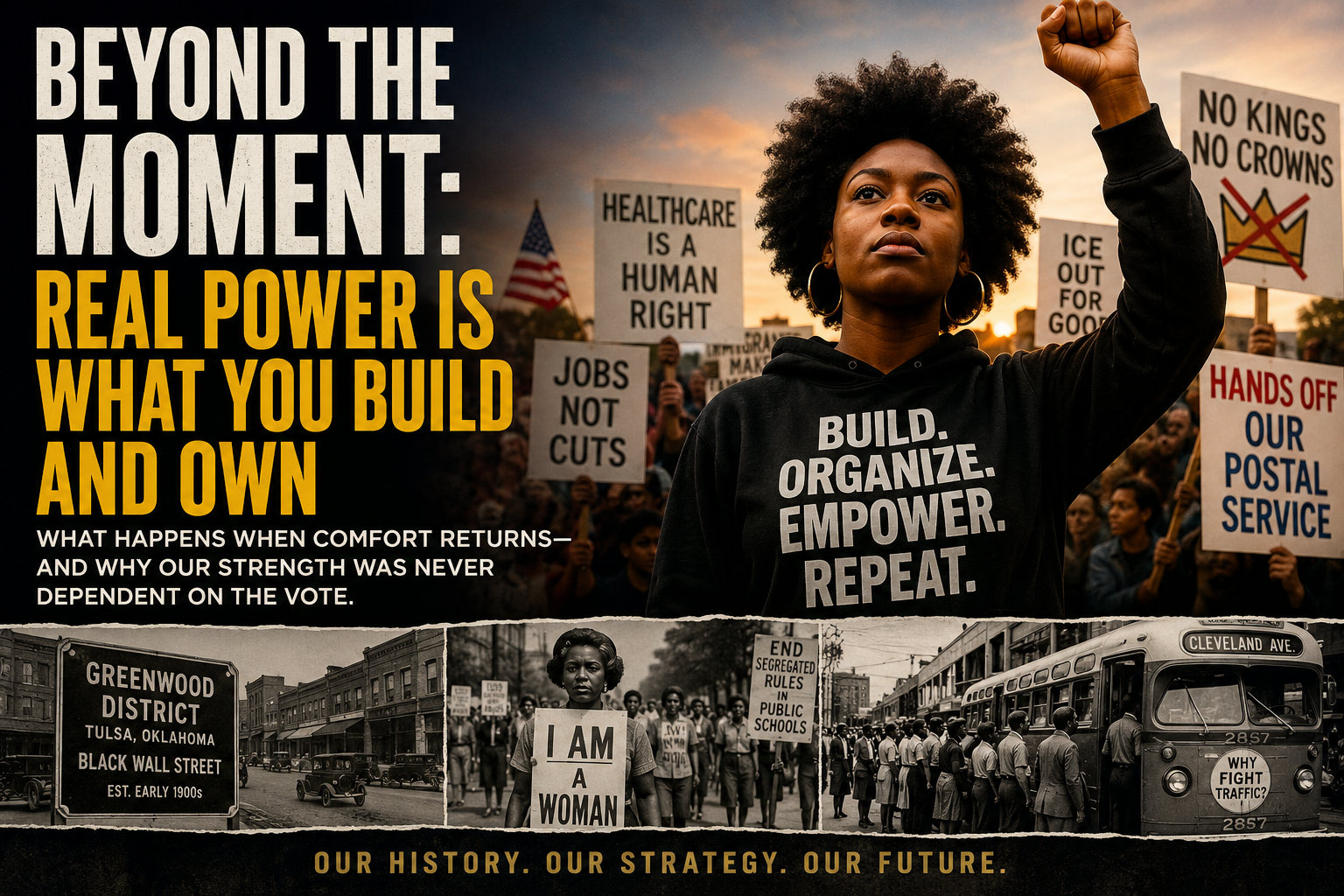
What I realized is that when people are discomforted, they will come out to these events. You see countless issues represented at these rallies just by looking at the signs people carry, immigration, healthcare, jobs, postal privatization, ICE, economic insecurity, and more. In moments of uncertainty and pressure, people feel compelled to act. But the question that stayed with me was this: what happens when their comfort level is restored?
During Black History Month, I remember attending a Zoom discussion centered on Black history and the condition of Afro-Americans in this country. There were only three participants. That disturbed me deeply because events sponsored by this organization normally draw thousands. It forced me to confront an uncomfortable reality: once the immediate pressure subsides, once people regain a sense of normalcy, it is often back to business as usual with little real or substantive change in the condition of Afro-Americans.
That realization pushed me to think differently. We have to become more strategic about how we use the momentum these moments create. These rallies, protests, and public demonstrations generate energy, visibility, and awareness, but awareness alone does not build power. If the momentum is not transformed into organization, economic cooperation, institution building, political education, and long term community strategy, the energy eventually dissipates and the cycle simply repeats itself.
For a time, I honestly struggled to see a path forward for us. Then the Supreme Court, through a series of decisions by five unelected justices, continued dismantling major portions of the protections many believed were permanently secured under the Civil Rights era. Communities across the country are left feeling politically weakened and increasingly unrepresented. But as frustrating and distressing as that reality is, it also forced me to reconsider something important about our history.
Much of what our ancestors accomplished was achieved without political comfort, without institutional protection, and in many cases without meaningful access to the ballot at all.
Tulsa Race Massacre and the thriving Black business district that existed before it demonstrated the power of economic cooperation and community self-sufficiency. The Montgomery Bus Boycott remains one of the most successful protest movements in American history, yet not a single vote was cast during the boycott itself. Even the eventual expansion of voting rights was won not through voting power alone, but through sacrifice, organization, economic pressure, courage, and sustained collective action.
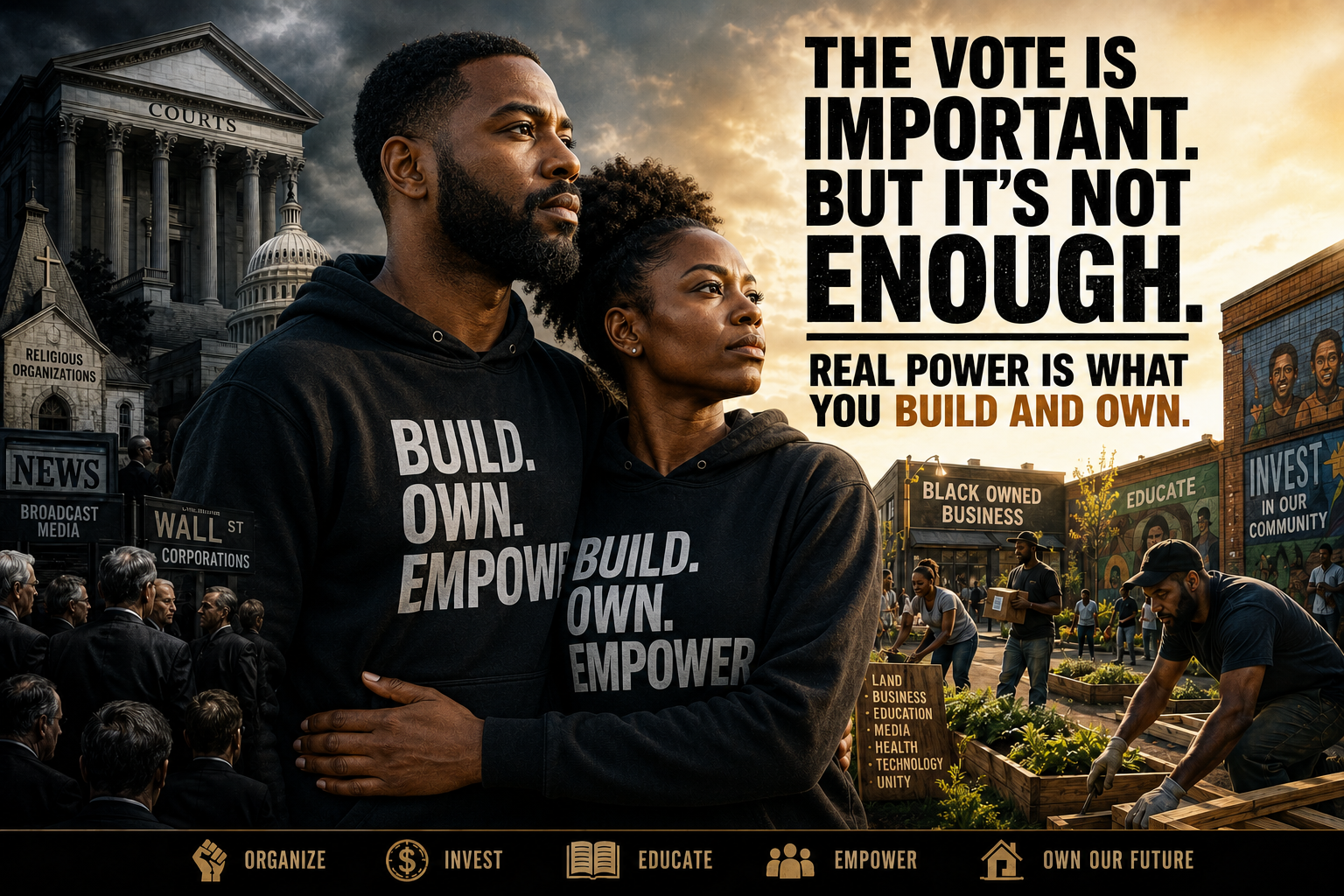
The loss or weakening of political influence is troubling, but perhaps we have misunderstood the true source of our strength all along. The vote is important. Representation matters. But neither has ever been the foundation of Black survival in America. Our foundation has always been our ability to create, organize, build, adapt, and endure under conditions that were never designed for our advancement.
So perhaps the real question is not simply what we are losing, but what we have failed to build.
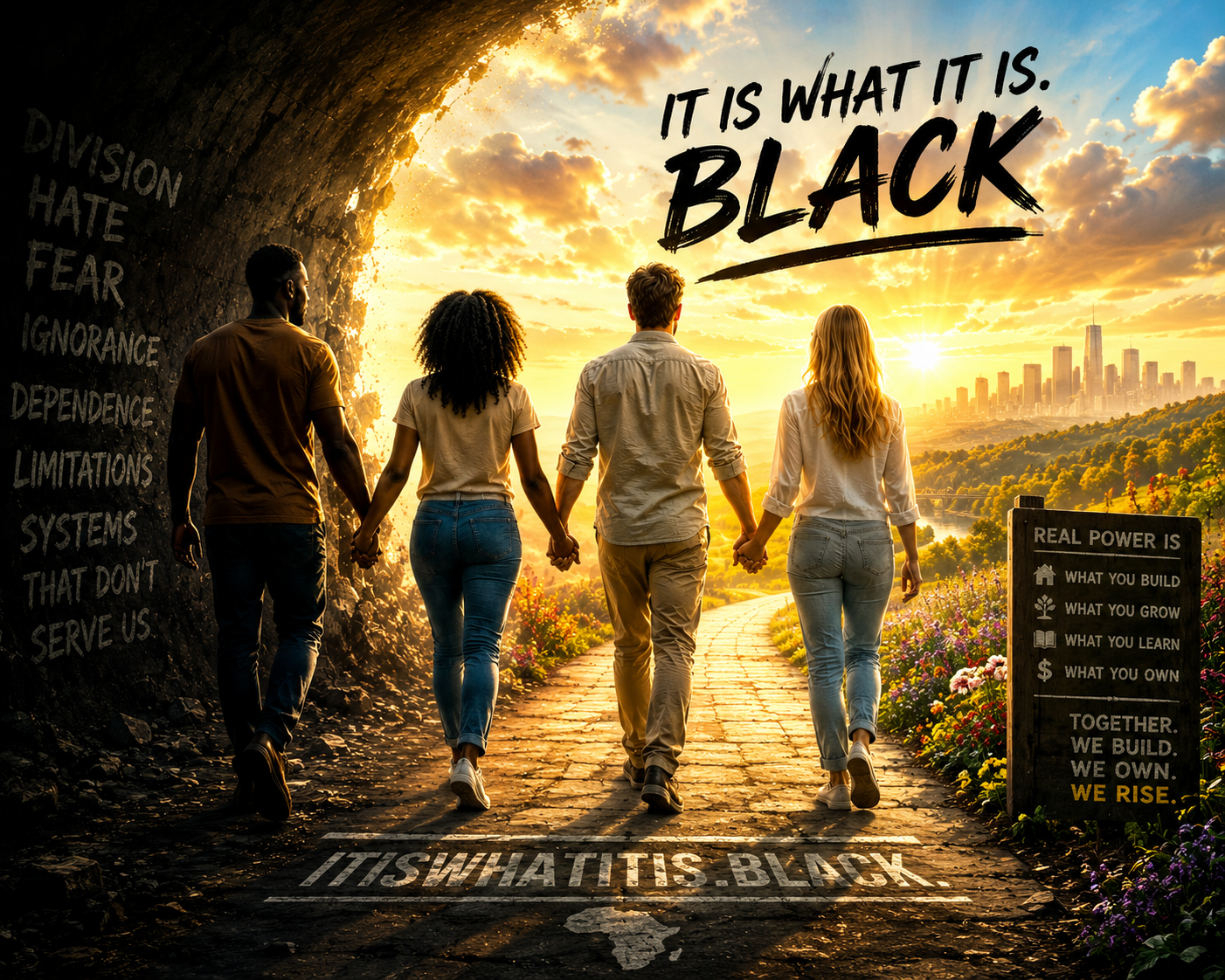
If our progress depends entirely on who occupies political office, then our progress can always be reversed by the next election, the next court ruling, or the next political shift. But if power is rooted in economics, institutions, education, land ownership, skilled trades, media, cooperative networks, and community discipline through our own efforts, then it becomes much harder to erase.
Maybe this moment is forcing us to rediscover something earlier generations already understood: real power is not merely the ability to vote. Real power is the ability to sustain ourselves, organize ourselves, inform ourselves, and build for ourselves regardless of who is in office.
And if history teaches us anything, it is that people who can build under pressure become dangerous in ways politics alone can never contain.

Leave a Reply